on Oct 24, 2023
on Oct 24, 2023
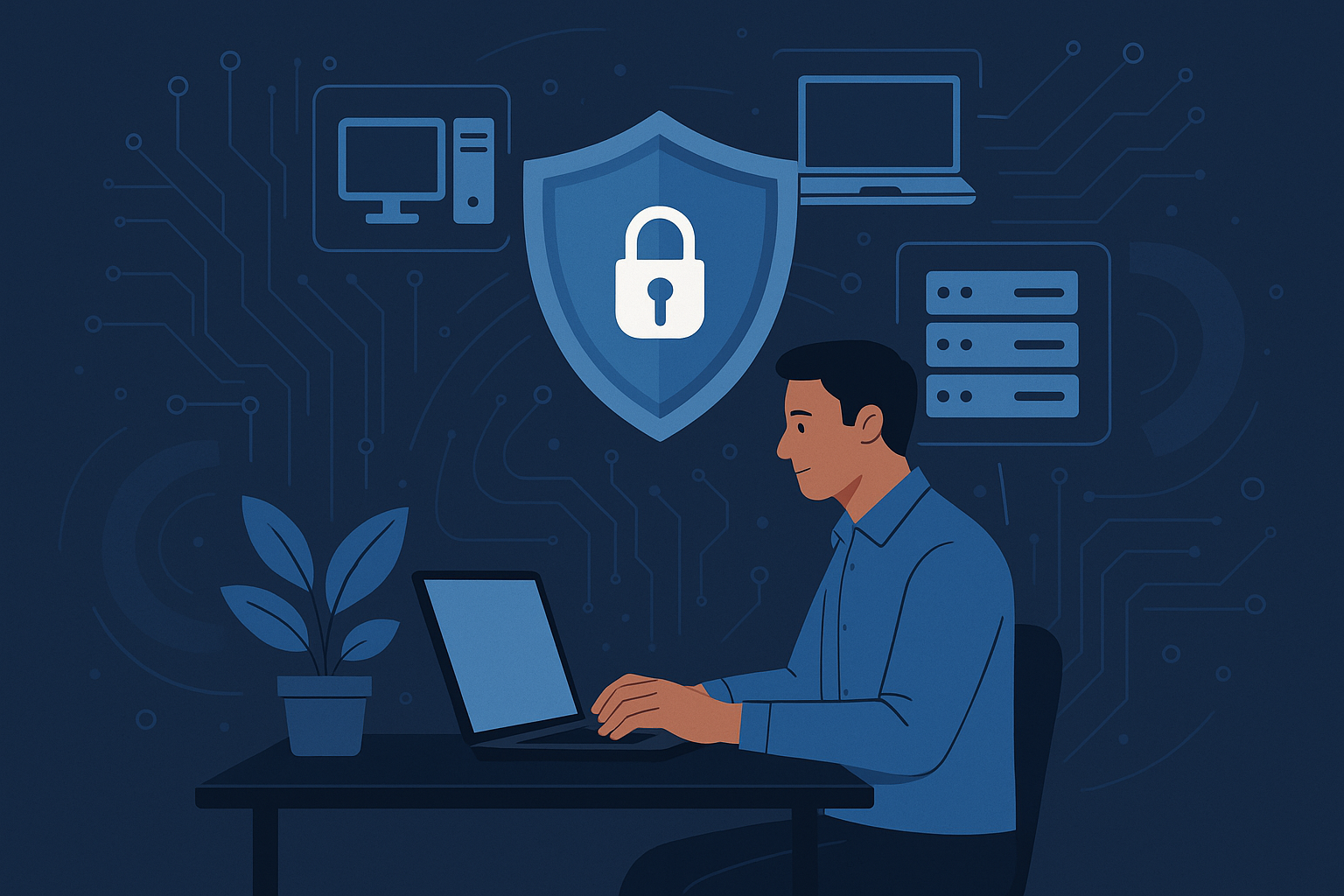
In today’s digital landscape, small businesses face unique challenges regarding cybersecurity. One of the most overlooked yet critical areas in strengthening a company’s security posture is IT asset management. While it’s a term often associated with inventory oversight and cost management, its implications for security are profound.
For many small businesses, the sheer volume and diversity of IT assets, from hardware to software, can be overwhelming. Without a streamlined way to monitor these assets, businesses become vulnerable to a slew of security risks. Outdated software, for instance, can become a soft target for cyber attackers looking to exploit known vulnerabilities. Moreover, unauthorized devices can serve as entry points for malicious threats, exposing sensitive company data to breaches.
It’s essential to know exactly what assets you own, where they’re located, and how they’re being used. Yet, surprisingly, many small businesses lack this fundamental visibility. This gap can lead to several issues:
Comprehensive IT asset management can address these pain points by offering a dynamic view of the company’s entire asset landscape, reducing vulnerabilities and boosting operational efficiency.
Alongside asset tracking, managing user access is equally crucial. In small businesses, it’s not uncommon for multiple employees to share devices or applications, increasing the risk of unauthorized access. Implementing JIT user access management can mitigate these risks effectively.
Just-In-Time user access management refers to granting permissions precisely when needed and revoking them as soon as the necessary task is complete. This practice ensures that sensitive resources are shielded from unnecessary exposure, limiting the opportunity for unauthorized access. It doesn’t just bolster security, it streamlines workflows by eliminating bottlenecks associated with requesting and waiting for access approvals.
To fortify your business against cyber threats, consider the following best practices:

Regular Audits: Conduct regular audits of all IT assets and user access logs. This helps in identifying anomalies or unauthorized access attempts.
Automate Compliance: Use IT Asset Management (ITAM) tools that automate compliance with security policies, ensuring each asset and user access aligns with the latest protocols.
Training and Awareness: Regularly train employees on the importance of cybersecurity and their role in safeguarding digital assets.
Layered Security Approach: Beyond asset management and JIT access, layer your security with firewalls, anti-malware, and intrusion detection systems to maximize protection.
Understanding the importance of IT asset management in cybersecurity is one thing, but implementing an effective system is another challenge altogether. This is where TrustPuma comes into the picture.
TrustPuma provides robust solutions focused not only on managing assets but also on discreetly minimizing potential security pitfalls.
While small businesses might typically regard IT asset management as a back-office function, its role in fortifying cybersecurity cannot be understated. With the right tools, like TrustPuma, businesses can ensure that their assets are both well-managed and shielded from potential security risks. As cyber threats diversify and become more sophisticated, taking preemptive steps today could save from severe repercussions tomorrow.
With proactive IT asset and user access management, small businesses can confidently navigate the digital age, knowing they have a solid foundation to build upon.
Feature image prompt: A modern office setting with diverse digital devices - laptops, tablets, servers. Highlight the connectedness and functionality of these devices without people present. Emphasize an organized, secure environment.
Optional inline image prompt: A close-up of a digital dashboard displaying IT asset management metrics with glowing interface elements to convey sophistication and security. Avoid including specific text or figures. ```